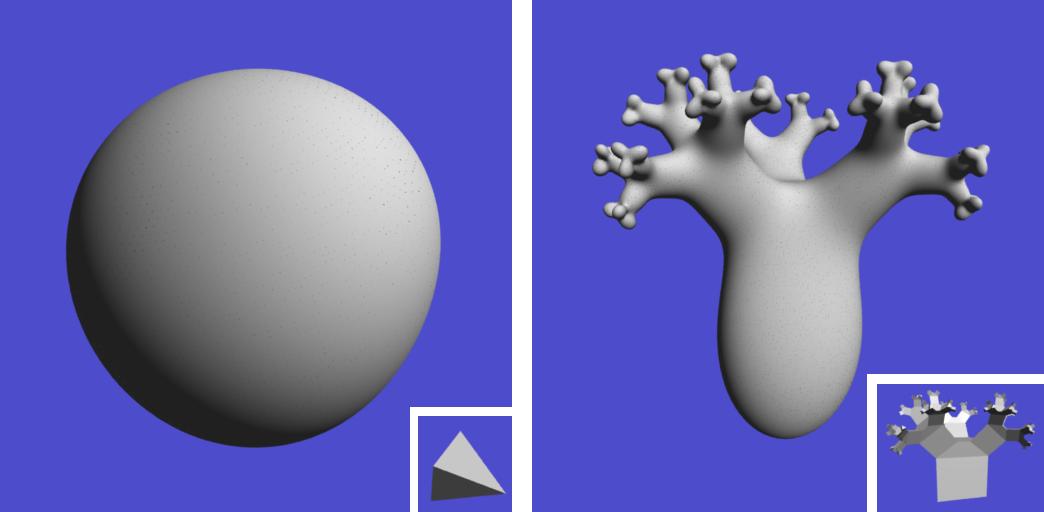
Computer Animation
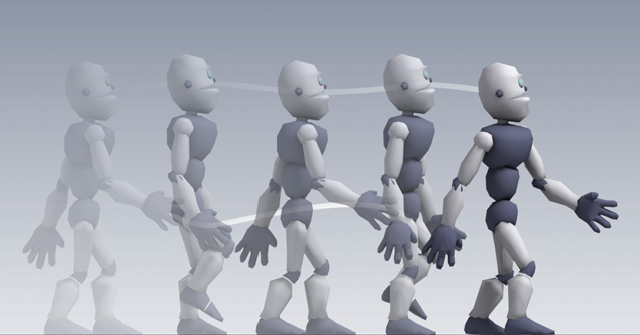
Lecture 1: Mathematical foundations, Keyframe technology and Velocity Control
This lecture introduces the mathematical foundations of geometric transformations, rotation representations, and spline-based keyframe interpolation, presenting a unified framework for achieving smooth, controllable, and physically plausible motion in computer animation.
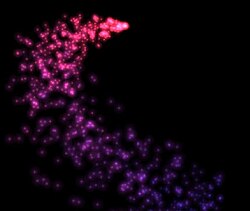
Lecture 2: Particle Systems
This lecture systematically introduces how particle systems can efficiently simulate the blurring phenomenon in nature and special effects by simplifying physical modeling, numerical integration, and diverse rendering methods. It further extends to advanced technologies such as material point methods to achieve realistic and controllable dynamic visual effects.
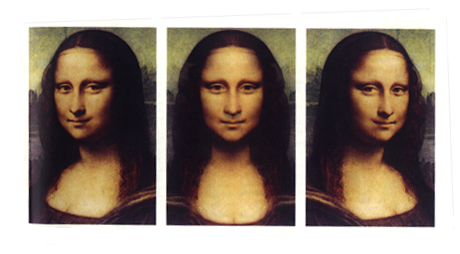
Lecture 3: 2D Image Morphing
This lecture systematically introduces the basic principles and classic algorithms of 2D image deformation. It demonstrates how to achieve smooth transition animations based on grids and feature lines by combining geometric transformations and color fusion, and extends the application to viewpoint deformation and modern learning methods.
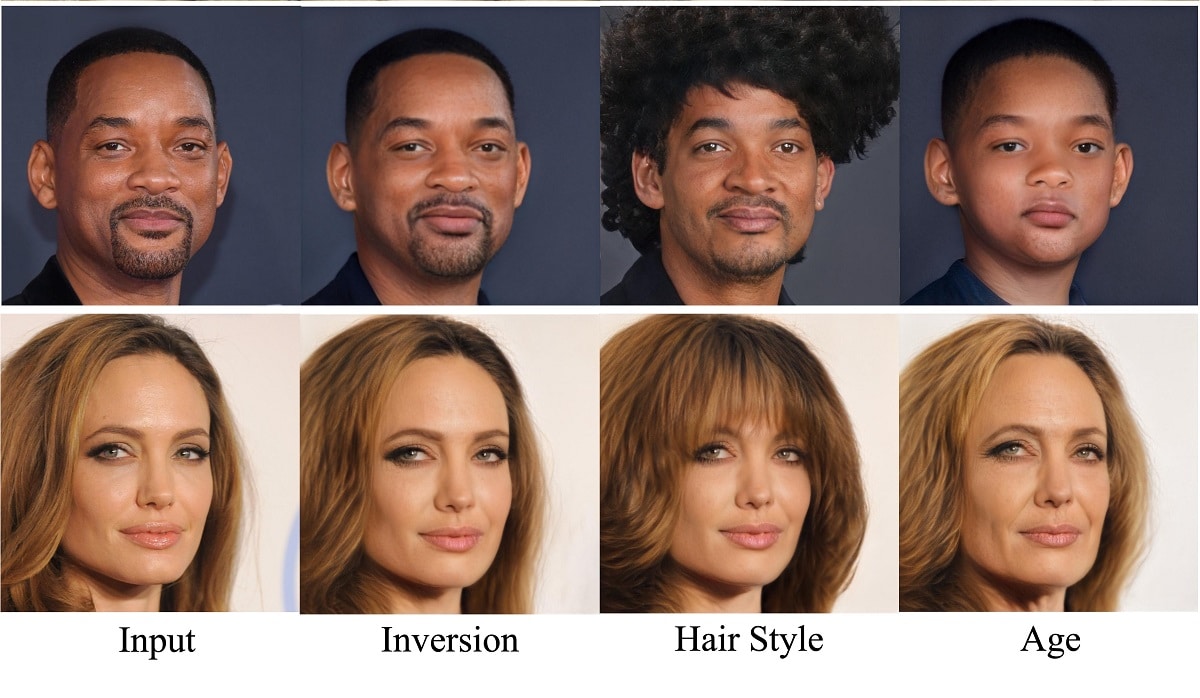
Lecture 4: Portrait Morphing and 2D Polygon Shape Gradients Based on StyleGAN
This lecture integrates deep generative models with classical geometric methods, systematically explaining portrait deformation techniques based on StyleGAN and diffusion models, as well as two-dimensional polygon shape gradation methods based on intrinsic geometric constraints, achieving a balance between high realism and strong controllability.
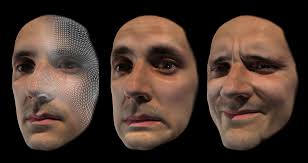
Lecture 5: 3D Image Morphing
This lecture systematically introduces the core ideas and main technical routes of 3D shape deformation, covering methods based on surface parameterization, voxel representation and implicit functions, to achieve high-quality 3D morphological transitions from geometrically consistent deformation to complex topological changes.
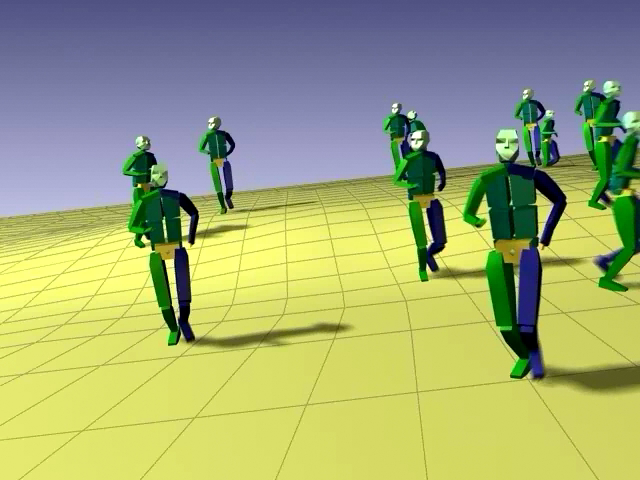
Lecture 6: Group Animation (I)
This lecture systematically explains the theoretical basis and engineering framework of collective behavior in group animation, and uses the Boids model as the core to reveal the computer simulation mechanism of complex group motion patterns emerging from simple local rules.
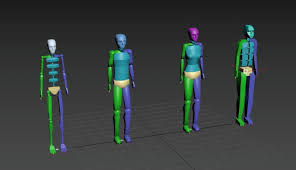
Lecture 7: Group Animation (II)
This lecture systematically introduces multi-level motion modeling methods in group animation, covering pedestrian dynamics models based on social forces, RVO/ORCA local obstacle avoidance mechanisms, and continuous medium flow field models, achieving a unified characterization from microscopic individual behavior to macroscopic group flow.
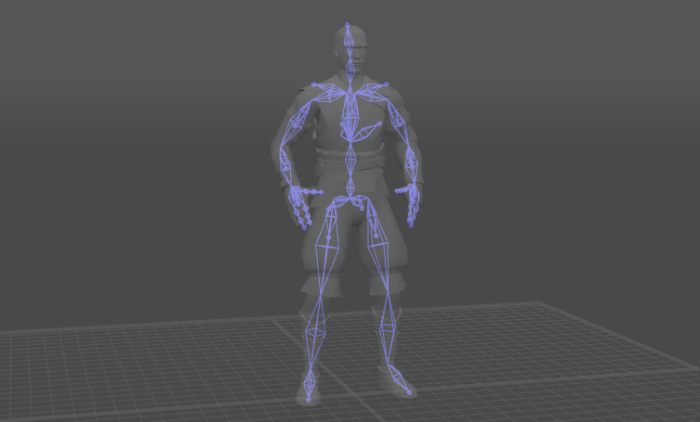
Lecture 8: Joint (character) animation (I)
This lecture systematically introduces the skeletal hierarchy and kinematic principles in joint animation, focusing on the mathematical foundations of forward and inverse kinematics and their analytical and numerical solution methods, laying a theoretical and engineering foundation for character motion control.
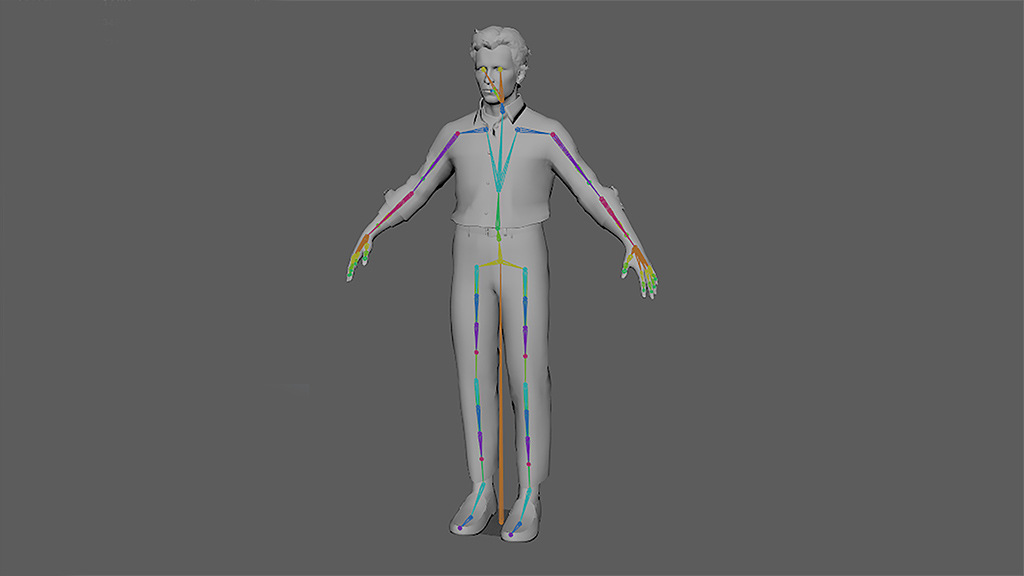
Lecture 9: Joint (character) animation (II)
Facial rigging, blend shapes, and expression systems.
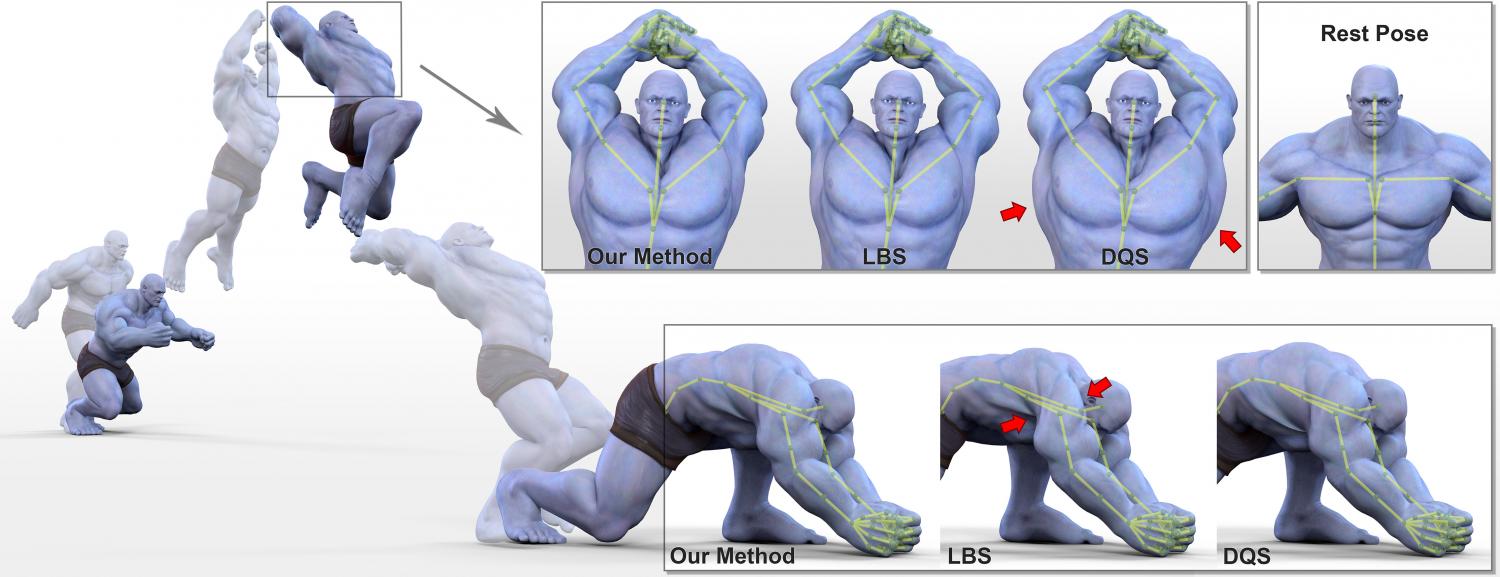
Lecture 10: Joint (character) animation (III)
Cloth simulation, fluid dynamics, and modern techniques.
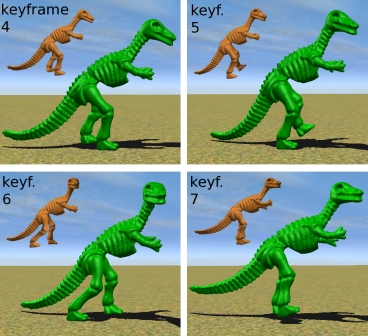
Lecture 11: Deformable Animation

Lecture 12: Cloth Animation